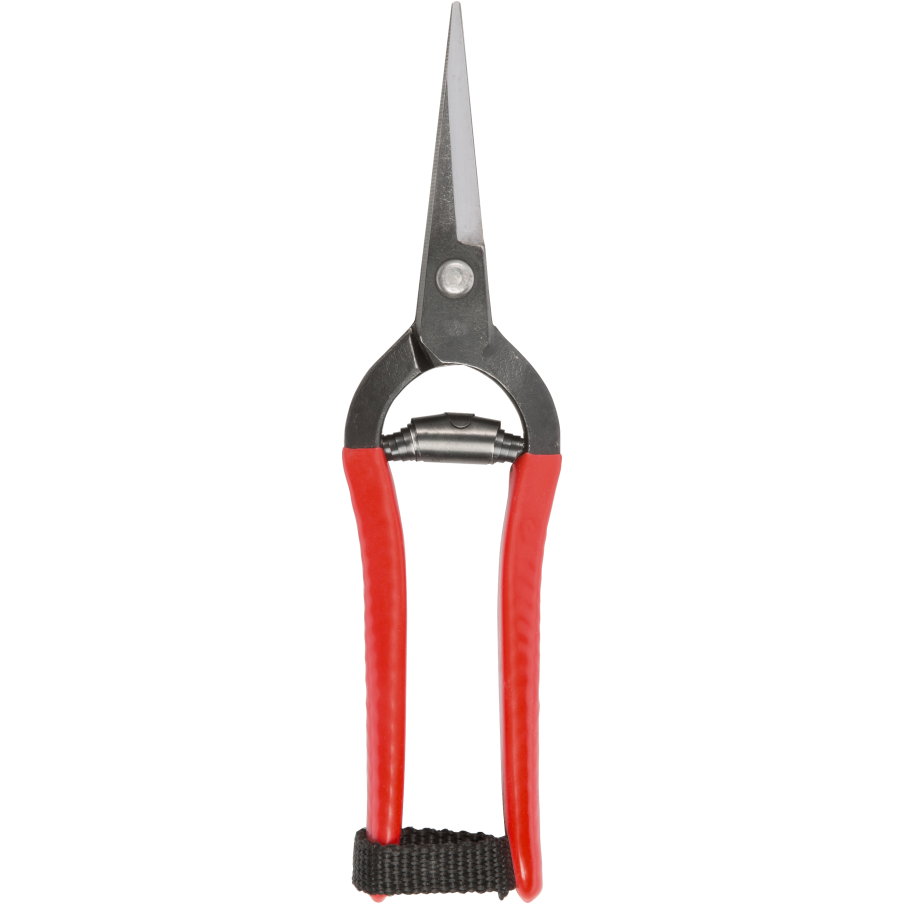
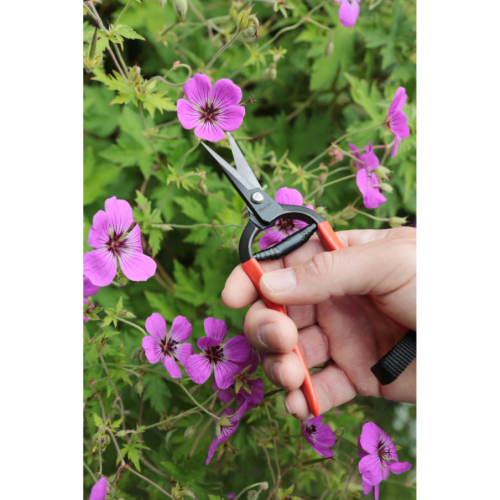
Robust and precise Niwaki forged snips, perfectly suited for fine pruning of flowers, fruit and vegetables. Hand-forged in carbon steel in Japan, they combine delicacy and durability for intensive use.
Data sheet
Specific References
Usage tips and maintenance:
Most Niwaki cutting tools are made from carbon steel: this material provides exceptional sharpness and cutting quality but can stain, oxidise and lose some of its edge over time. Good maintenance is based on three simple principles:
1. Proper use:
2. Cleaning:
3. Sharpening:
Regular maintenance extends the life of your tools and ensures a clean, precise and satisfying cut every time.
Not set access token. you can get here access token https://developers.facebook.com/apps/ .