Japanese Knives & Care
Explore the Niwaki® at BACSAC® collection of Japanese knives and care accessories — where craftsmanship meets precision and timeless beauty.
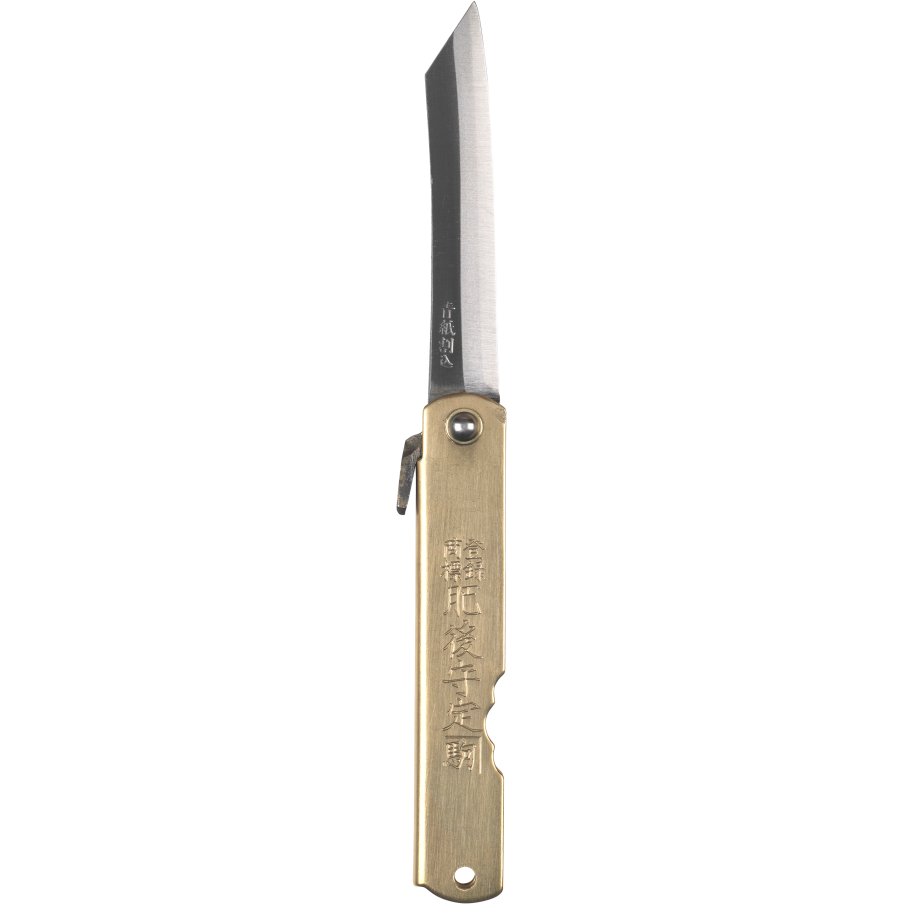
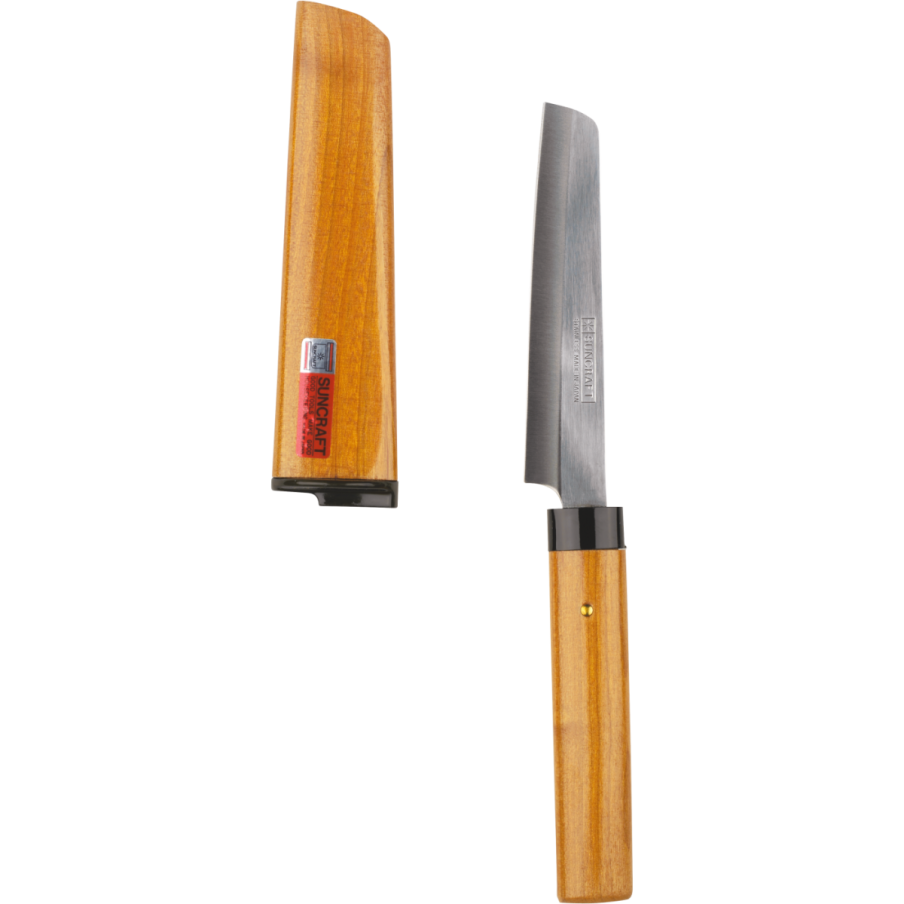
From the iconic Higonokami folding knives to the elegant Kiri kitchen knives, each piece embodies the art of Japanese forging.
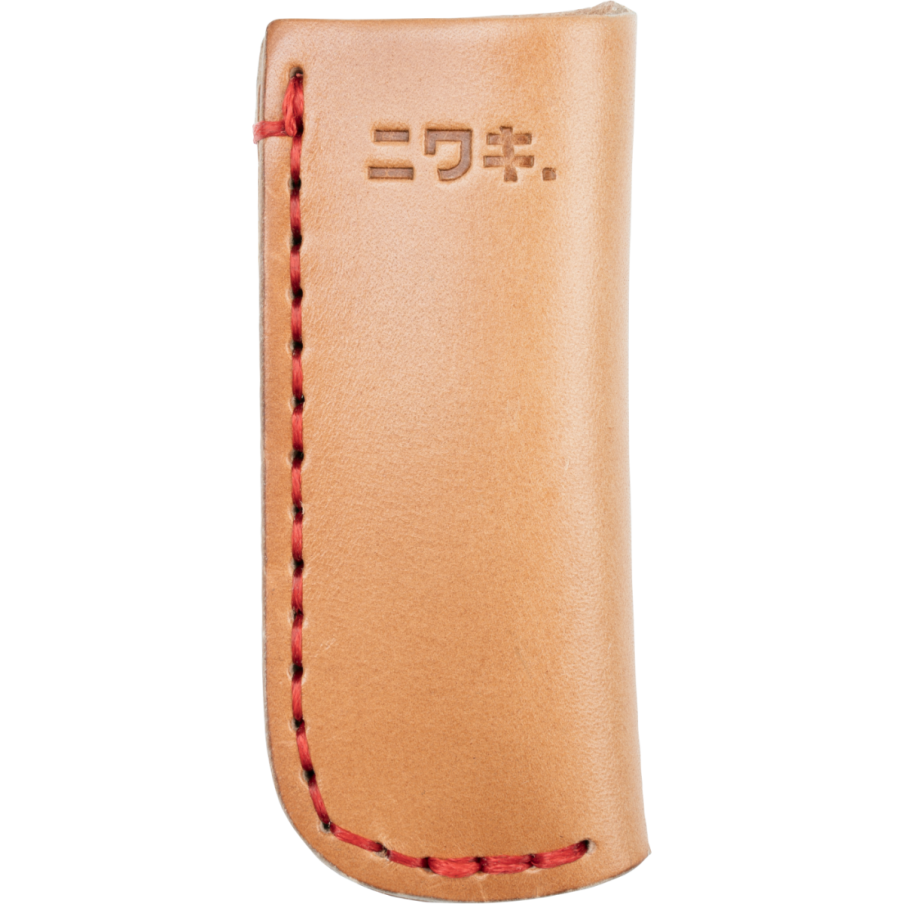
Complement your blades with Camellia oil, double-grit sharpening stones, and leather or canvas sheaths — essential accessories to keep them sharp, clean and protected.
Forged in Japan with exceptional skill, these knives are built for precision, longevity and daily pleasure.
join us on instagram


